YouTube generated $36B in ad revenue in 2024

The 5-second skip button costs brands millions

From Skip to Stick

Creating YouTube Ads That Engage

This website translates a full Master's research project into practical insights, revealing the creative and strategic techniques that make viewers choose to keep watching.

A Master's Final Major Project by Mohammad Feras Almhemed

University of West London

YouTube Ad Formats

Selecting the right YouTube ad format aligns your product or service with the optimal viewer context.

◆ Skippable In-Stream Ads (TrueView)

The 5-second challenge. Viewers can skip after 5 seconds.

Strategy: Hook immediately, make every second work harder than the last, and earn the watch through emotion, intrigue, and momentum.

These ads play before or during a video and allow viewers to skip after 5 seconds. Because skipping is optional, brands must hook attention quickly. Skippable ads reward strong emotional openings and are ideal for storytelling, brand building, and longer narrative formats. Viewers only count as "engaged" when they choose to keep watching.

▲ Non-Skippable In-Stream Ads (15–20 seconds)

15-20 seconds of guaranteed attention.

Strategy: Respect their time. Tell a complete micro-story with emotional payoff.

These ads must be watched in full before the viewer can continue. They work best for short, high-impact messages where control of the full duration is important. Because viewers cannot skip, these ads rely more on clarity and strong creative craft than on emotional hooks, but poor execution can still create irritation.

■ Bumper Ads (6 seconds)

Six-second non-skippable ads designed for fast, memorable storytelling.

Strategy: One idea, maximum clarity. Visual punch, memorable moment.

Bumper ads work as emotional teasers, reminders, or campaign amplifiers. They are ideal for delivering a single idea, a quick punchline, or a memorable visual that reinforces a broader campaign.

The research focuses on Skippable In-Stream ads, where viewers decide within seconds whether to stay or skip.

Data Explorer

Interactive analysis of the viewers' responses about YouTube ad preferences and behaviour

Loading data...

Skip Behaviour

Top Emotions That Keep Viewers Watching

Top Reasons to Stay & Watch

Total Responses

101

Filtered Results

101

Most Common Skip Reason

Not interested

Research Insights

A combined analysis of quantitative behavioural data and qualitative viewer insights, supported by academic literature, that identifies the key drivers of ad-skipping, defines the 3 C's of engagement (Creative, Connection, Clarity), and establishes six evidence-based Stick Insights principles — forming the foundation for a framework designed to help create more engaging YouTube advertisements.

Why Viewers Skip Ads

Click a bar to see detailed insights about each skip factor.

The 3 C's Factors

Three fundamental factors that transform an ad from skippable into engaging. Click on any factor to explore its components.

◆ Creative

Aesthetic and narrative excellence.

  • Visual Quality: High production value, cinematography, and graphics.
  • Sound Design: Music, voiceover, and effects enhance the story.
  • Narrative Arc: Compelling story structure that hooks early.

▲ Connection

Emotional or functional relevance.

  • Relatability: Viewers see themselves reflected in the story.
  • Emotional Hook: Strong feelings (joy, surprise, curiosity).
  • Cultural Resonance: Timely and relevant to trends.

■ Clarity

Efficient message delivery.

  • Brand Visibility: Clear, intentional brand placement.
  • Value Proposition: Core benefit communicated immediately.
  • Actionable CTA: Clear, simple next steps.

The Stick Insights

Six research-backed insights that transform skippable ads into sticky content

The 3-Second Rule

You have 3 seconds to hook viewers before they skip. Lead with emotion, not explanation.

Emotional Triggers Reduce Skipping

Emotion interrupts the automatic "skip reflex." Humour, empathy, awe, and surprise significantly increase voluntary viewing.

Contextual Humor is King

Humor that respects viewer context outperforms generic comedy. Make them laugh, not groan.

Authenticity Builds Trust

Real people, real stories, real emotions. Viewers spot fake from a mile away.

Delayed Branding Works

Hide the logo until viewers are invested. Let the story earn the right to brand.

Product as the "Hero"

Don't just show the product—make it the protagonist. Let it solve problems on screen.

Cognitive & Emotional Response

Successful video content balances cognitive processing with emotional resonance. Research shows that combining rational information delivery with emotional storytelling creates stronger memory formation and brand recall than either approach alone.

Emotional Cues

Drive initial attention and create connection

Cognitive Processing

Sustains engagement through meaningful content

Combined Impact

Produces lasting memory and positive brand association

Optimal Balance

70% emotional, 30% cognitive in first 15 seconds

Skip to Stick Model

The Strategic Framework

Attract–Engage–Retain

A three-phase model for designing unskippable ad experiences

◆ Attract

0–5 seconds: Capture attention before the skip button appears.

Goal: Capture attention before the skip button appears.

✔ What to DO

  • Lead with emotion — humour, empathy, curiosity or surprise. (Emotional triggers significantly reduce skipping)
  • Begin with movement or unexpected imagery, never static logos. (Static branding increases immediate skipping)
  • Use authentic human reactions or close-up expressions. (Authenticity increases trust and reduces irritation)
  • Create a curiosity gap within the first 2 seconds.
  • Limit product shots and avoid early sales messages.

✘ What to AVOID

  • Starting with brand logos, text, or rational information.
  • Using slow pacing or static opening scenes.
  • Over-personalised targeting that feels intrusive.

▲ Engage

6–15 seconds: Sustain attention through narrative flow.

Goal: Sustain attention beyond the first 5 seconds through narrative flow.

✔ What to DO

  • Build a micro-narrative: a small conflict, moment of tension, or unfolding story. (Narrative structure increases engagement and memory)
  • Use authentic tone, not overly commercial scripting.
  • Deliver emotional momentum through pacing, reactions, and sound.
  • Create relatability — viewers stay if they "see themselves" in the story. (Relevance drives engagement)
  • Let characters lead the message, not the brand.

✘ Avoid

  • Over-explaining or cluttering the mid-section with messaging.
  • Switching to rational selling points too early.
  • Artificial or exaggerated acting that breaks authenticity.

■ Retain

16+ seconds: Deliver payoff and emotional closure.

Goal: Deliver payoff, brand meaning, and emotional closure.

✔ What to DO

  • Reveal the brand later, after emotional connection is formed. (Delayed branding increases recall and reduces irritation)
  • Provide an emotional reward — humour payoff, heartwarming moment, or surprise twist.
  • Use memorable visual cues or a signature element.
  • Reinforce identity subtly (music motif, colour, character).
  • Call to value, not call to action — Replace transactional prompts ("Buy now") with relational ones ("Join the movement," "Be part of the story").
  • End with satisfaction, not a sales push.

✘ Avoid

  • Abrupt tonal changes in the final seconds.
  • Overloading with product benefits or long CTAs.
  • Ending without emotional closure.
Phase Goal Tactics Viewer Reaction
Attract Stop the scroll Shock, humor, intrigue "Wait, what?"
Engage Build investment Story arc, curiosity "I want to see how this ends"
Retain Create memory Payoff, brand reveal "That was worth it"

Attract with emotionEngage with storyRetain with payoff

Actionable Playbooks

Strategic playbooks for different stakeholders and creative approaches to YouTube ad production

◆ Planar Playbook

Planar approach to campaign planning

Turning Insight Into Ads People Choose to Watch

  • Start with the audience: Identify the emotional tension, need, or moment the viewer genuinely cares about.
  • Set the emotional objective: Choose one driver — humour, empathy, curiosity, surprise, or suspense.
  • Map the A–E–R structure: Attract (hook) → Engage (micro-story) → Retain (emotional payoff + brand meaning).
  • Write a strategic brief: Define the emotional goal, first frame, human truth, story arc, and the "do-not-do" list.
  • Measure strategic success: Planners use VTR, retention curves, and emotional sentiment to evaluate whether the strategy and insight were correct — not to optimise media placement.

▲ Creative Playbook

Creative execution and production tactics

Designing Emotionally Engaging Stories

  • Hook instantly: Deliver emotion, movement, or visual disruption in the first 2 seconds.
  • Build a micro-story: Use conflict, relatability, or a small reveal to maintain attention.
  • Make it human: Use authentic reactions, natural performance, and relatable scenarios.
  • Delay branding: Integrate the brand naturally after emotional connection — not before.
  • Edit for emotional rhythm: Pace the story around emotional beats rather than product points or script length.

■ Agency Playbook

Agency-level strategy and client management

Turning Strategy Into High-Performing Creative

  • Creative teams: Use emotion-first scripting, strong attention hooks, and authenticity.
  • Production teams: Shoot multiple opening variations, prioritise close-ups, and edit with emotional pacing in mind.
  • Media teams: Match format to purpose: 6s = hook / 15s = story beat / 30s = full emotional arc.
  • Optimisation teams: Use VTR, retention dips, and audience behaviour to adjust and improve the campaign during runtime.
  • Collaboration workflow: Planner insight → A-E-R framework → Creative development → Media placement → Testing → Data-driven optimisation.

◇ Education Playbook

Framework integration for academic teaching and research

Embedding Skip to Stick Into Academic Programmes

  • Module integration: Support modules in advertising, branding, digital marketing, media psychology and research methods. Use the site to illustrate concepts like ad avoidance, attention, emotion in advertising, and mixed-methods research design.
  • Seminar activities: Ask students to classify ads as "skip" or "stick", justify their choices and connect them back to the framework.
  • Workshop briefs: Set a task to re-write the first five seconds of a weak ad using the playbooks and Ad Clinic as scaffolding.
  • Dissertation support: Use the methodology and tools as a reference point for how to translate findings into a practical output.
  • Cross-platform thinking: Extend the same principles to TikTok, Instagram Reels or other short-form video platforms.
  • Assessment ideas: Mark student work on how well they apply emotion, narrative and authenticity to an ad concept rather than just aesthetics.

The integration of strategic planning, creative excellence, and agency execution produces ads that achieve measurable viewer retention and reduce skip-through rates.

AI IconInteractive Ad Clinic

Get an AI-powered academic critique of your ad concept using the Skip to Stick framework

Case Library

Real-world ads analyzed through the Skip to Stick framework. See how leading brands apply emotional hooks, narrative clarity, and strategic timing to create advertisements people choose to watch.

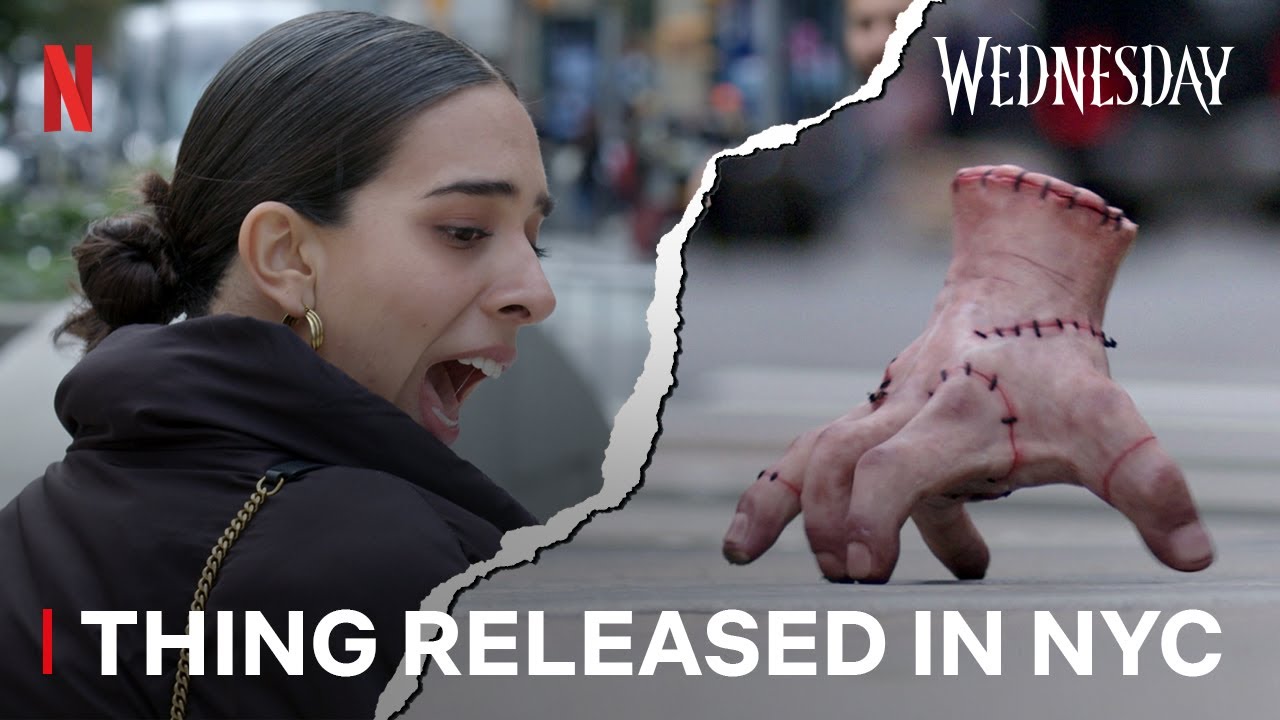
Thing In New York | Netflix

Thing In New York | Netflix

A mechanical version of "Thing" roams the streets of New York, surprising and entertaining passers-by as it interacts playfully with the public.

A–E–R Model Analysis

◆ Attract (Emotional Hook)

The unexpected sight of a crawling disembodied hand instantly grabs attention through surprise, humour and curiosity.

▲ Engage (Narrative Flow)

"Thing" follows a simple story arc — released, exploring the city, interacting with people, reaching iconic locations — keeping viewers interested beyond the first moments.

■ Retain (Memorability)

The stunt is unusual, fun and visually distinctive, making it highly memorable and strongly linked to the Wednesday brand.

Coca-Cola: Masterpiece

Coca-Cola: Masterpiece

The ad features a bottle of Coca‑Cola journeying through famous artworks and styles—from Warhol to Van Gogh to modern artists—transforming its style while inspiring a young student.

A–E–R Model Analysis

◆ Attract (Emotional Hook)

The visually striking transformation of the Coca-Cola bottle across iconic art styles grabs attention immediately through surprise and aesthetic curiosity.

▲ Engage (Narrative Flow)

The bottle's journey across different art pieces creates a mini-story of discovery and inspiration—sustaining interest past the first seconds.

■ Retain (Memorability)

The combination of iconic art references + brand + creative motion makes this ad highly memorable — viewers are likely to recall it rather than skip or forget.

Honda - Hands

Honda – "Hands"

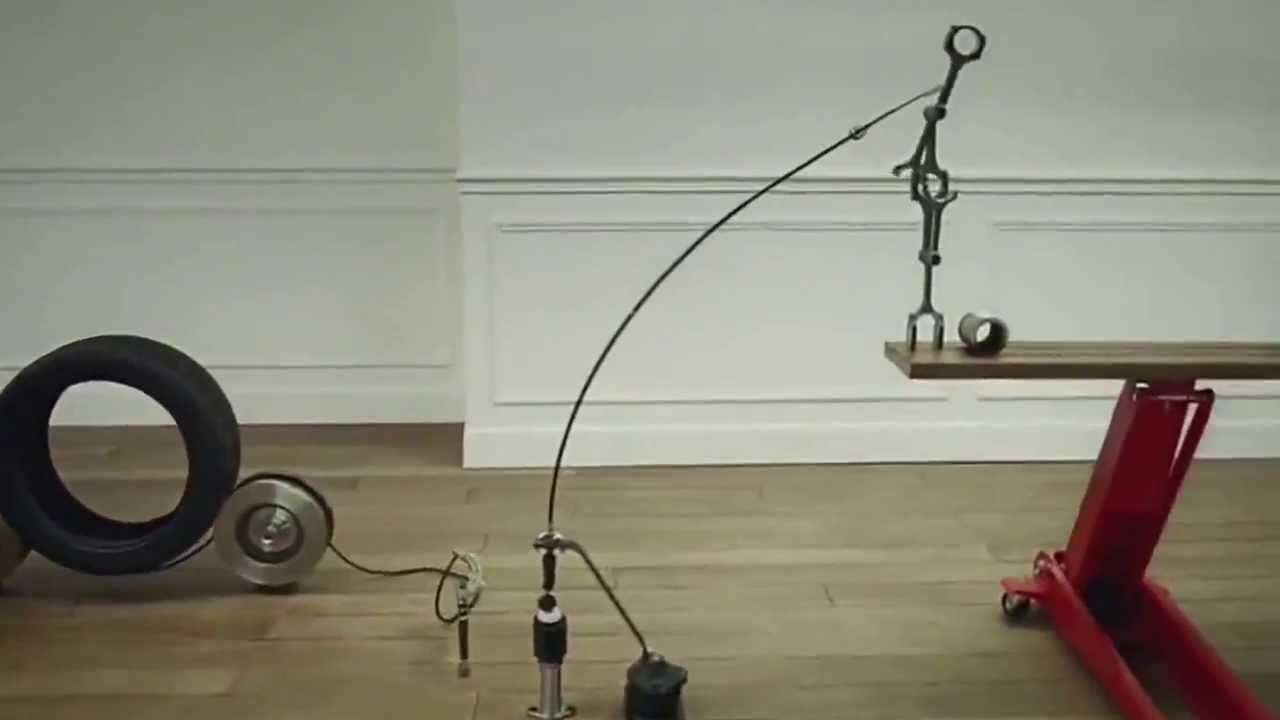
In the "Hands" film, a single mechanical nut transforms into a wide range of Honda products over 65 years — from motorcycles and cars to robots — celebrating the brand's innovation history.

A–E–R Model Analysis

◆ Attract (Emotional Hook)

The transformation of a simple nut into dozens of recognisable vehicles and machines immediately grabs attention through novelty and visual intrigue.

▲ Engage (Narrative Flow)

The ad takes viewers on a journey of evolution and discovery — each object morphs into the next, maintaining curiosity and pacing.

■ Retain (Memorability)

The iconic visual metaphor plus the thread of innovation create strong recall, linking Honda's brand identity with creativity and engineering in a memorable way.

Downloadable Resources

📄

Creative Brief Template

PDF

Structure your ad concept with the Skip to Stick framework

Download PDF
🎬

Storyboard Grid Template

DOCX

Visualize your ad's attract-engage-retain phases

Download DOCX

Diagnostic Checklist Template

XLTX

Audit your ad against 25+ framework criteria

Download Template

AI IconSparkle Scene Idea Generator

Generate compelling scene ideas for unskippable YouTube ads using the Skip to Stick framework

Framework-driven scene ideas designed to spark your team's brainstorming process.

About This Research

From Skip to Stick: Creating YouTube Ads That Engage

The research explores how emotional triggers, narrative structure, and authenticity influence viewers' decisions to skip or continue watching skippable YouTube ads.

Through surveys, focus groups, and analysis of real campaigns, the dissertation develops a practical framework — Attract, Engage, Retain — that is translated into the tools and content on this website.

The goal is simple: help brands move from interrupting people to engaging them.

◆ About the Researcher

Mohammad Feras Almhemed - MA Advertising, Branding and Communication

Mohammad Feras Almhemed

Advertising Planner & Strategist

MA Advertising, Branding and Communication
University of West London

MBA Bournemouth University

With over two decades of experience in broadcast systems and media environments, Mohammad brings a hybrid perspective that connects technical understanding of video with the creative and strategic side of advertising.

This project represents a pivot into strategic planning – using research, behavioural insight, and emotional storytelling to design better digital campaigns.

▲ Methodology

Mixed-methods research approach combining surveys and interviews

This project was developed using a mixed-methods research approach, combining quantitative surveys with qualitative in-depth interviews and focus group discussions. Data was collected from a diverse sample of YouTube users to analyse skipping behaviour, emotional reactions, and recall patterns across different ad formats and creative styles.

In addition to primary data, extensive secondary research was conducted using relevant academic literature, published books, and industry reports to strengthen the theoretical foundation of the study.

The proposed Skip-to-Stick framework was refined and validated through iterative testing with advertising professionals, industry practitioners, and academic peer reviewers, ensuring both practical relevance and academic rigour.

■ Ethical Considerations

University ethics approval with full data anonymization

All research was conducted under University of West London ethical guidelines with full institutional review board approval.

Participants provided informed consent, and all data has been anonymized. No personally identifiable information is stored or displayed in this presentation.

The AI features in this site are for demonstration purposes and do not collect or retain user submissions beyond the current session.

◇ Key References

Academic sources and key publications

  • • Berger, J. (2019). Contagious: How to Build Word of Mouth in the Digital Age.
  • • Braun, V. and Clarke, V. (2006). 'Using thematic analysis in psychology', Qualitative Research in Psychology.
  • • Cialdini, R. B. (2019). Pre‑Suasion: A Revolutionary Way to Influence and Persuade.
  • • Eyal, N. (2018). Hooked: How to Build Habit‑Forming Products.
  • • Green, M. C. and Brock, T. C. (2000). 'The Role of Transportation in Narrative Persuasion'.

@ Contact & Collaboration

Get in touch to collaborate and explore opportunities

Interested in using this framework in teaching, campaign planning, or further research? Get in touch to collaborate, discuss the findings, or explore workshop opportunities.

Contact Details

Name: Mohammad Feras Almhemed

Email: feras@rgbsys.co.uk

You can reach out regarding:

  • • Guest lectures or talks
  • • Workshops on YouTube ad strategy
  • • Collaboration with agencies or brands
  • • Further academic research or publication

Access the complete research documentation: